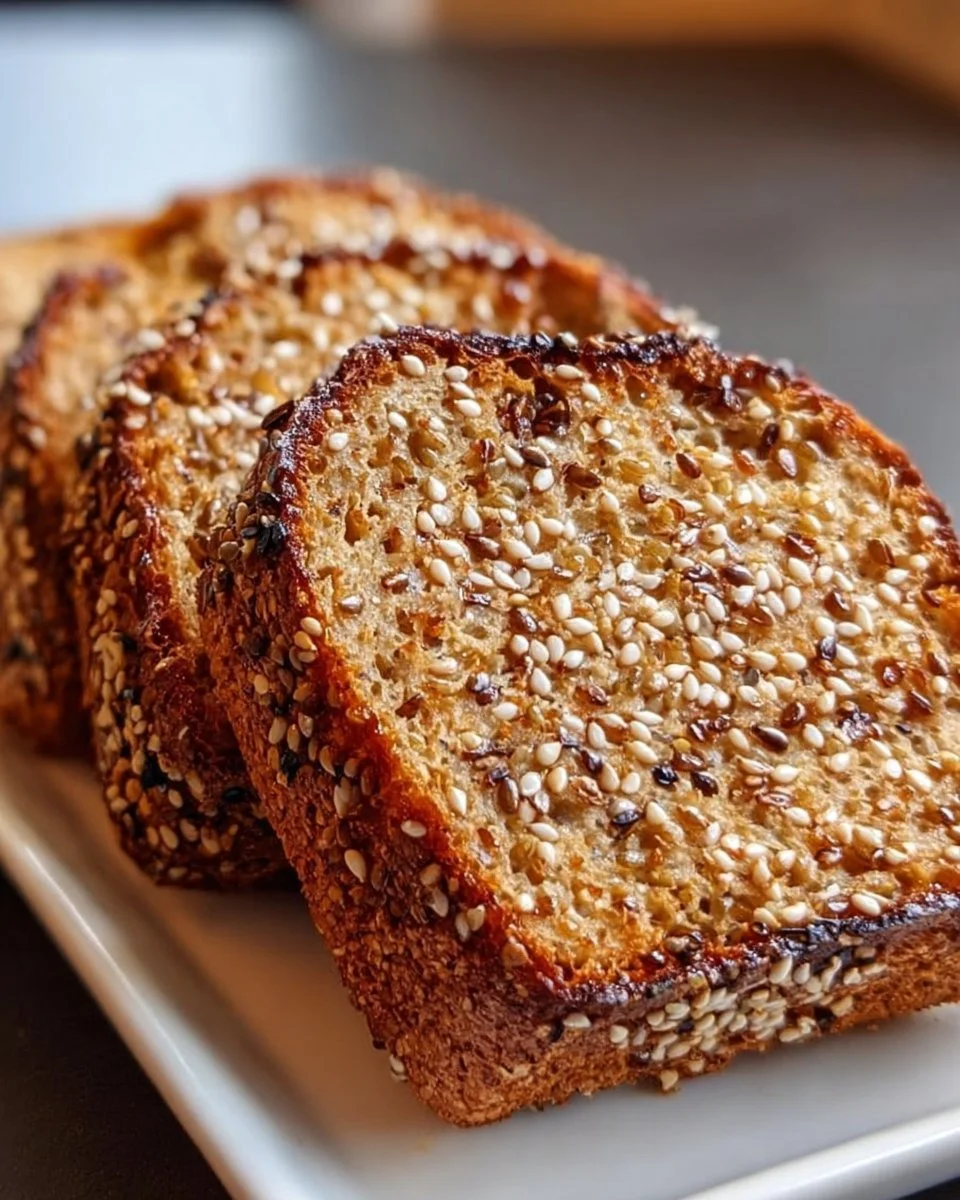
Imagine pulling a warm, freshly baked loaf of Ezekiel bread from the oven. The golden crust glistens invitingly, while the aroma wafts through your kitchen, enveloping you in a comforting embrace. As you slice into the loaf, the dense, hearty texture yields to your knife, releasing a symphony of earthy scents that evoke fields of sprouted grains. Each thick slice reveals a mosaic of rich hues, intertwined with the promise of wholesome ingredients. The first bite brings a delightful crunch from the crust, followed by a soft and slightly chewy interior that lingers on your palate, infused with hints of nuttiness and a touch of sweetness. This bread doesn’t just fill your stomach; it nourishes your soul.
Ezekiel bread isn’t merely a food; it’s a celebration of health and tradition, rooted in ancient wisdom. Crafted from sprouted grains and legumes, each ingredient contributes not only to the flavor but also to a wealth of nutrients. This bread serves as a reminder that sometimes, the simplest foods can provide the greatest benefits. Think of it as a bridge to a healthier lifestyle—one that offers satisfaction with every bite while supporting your body in a profound way.
Why You’ll Love This Ezekiel Bread
Ezekiel bread stands out for its incredible health benefits and irresistible taste. Packed with protein, fiber, and essential nutrients, each slice embodies a crunch that gives way to a rich, savory softness that feels both indulgent and wholesome. Its slight sweetness, derived from honey or agave syrup, perfectly balances the hearty flavor palette, making it truly irresistible.
This bread shines at any occasion—from a cozy morning breakfast slathered in creamy almond butter to a savory sandwich filled with your favorite vegetables at lunch. Pair it with a hearty soup during chilly evenings or serve it alongside a cheese platter for an inviting appetizer. The versatility and nutritious composition of Ezekiel bread ensure it becomes a staple in your kitchen, appealing not only to health-conscious eaters but also to anyone longing for a delicious, satisfying loaf.
Preparation Phase & Tools to Use
To embark on your journey of baking Ezekiel bread, gather a few essential tools that will help guide you through the process.
- Mixing Bowls: Opt for large bowls that provide enough space for your ingredients to blend harmoniously.
- Bread Pan: A standard loaf pan is best for shaping and baking your bread perfectly.
- Measuring Cups and Spoons: Precision in measuring will ensure a predictable and spectacular result.
- Stand Mixer (optional): For those with a busy schedule, a stand mixer equipped with a dough hook can save you time and effort during kneading.
- Kitchen Towel: Use this to cover your dough while it rises, maintaining warmth and moisture.
Remember, patience is key in this process; take your time mixing and kneading the dough to develop the gluten that transforms your ingredients into a delightful bread.
Ingredients for Ezekiel Bread
To craft your own Ezekiel bread, you need the following ingredients:
- 1 cup of sprouted wheat
- 1/2 cup of sprouted barley
- 1/2 cup of sprouted lentils
- 1/4 cup of sprouted millet
- 1/4 cup of sprouted spelt
- 1/4 cup of honey or agave syrup
- 1/4 cup of olive oil
- 1 teaspoon of salt
- 1 tablespoon of yeast
- 2 cups of warm water
Each element plays a significant role in both flavor and nutrition. Sprouted grains contribute enzymes that enhance digestion and nutrition absorption. Feel free to experiment with substitutions; for instance, you can swap in quinoa for millet or use maple syrup instead of honey for a vegan twist. Every little adjustment can shape a unique version of this wholesome bread.
How to Make Ezekiel Bread
-
Combine the grains and legumes:
In a large bowl, mix the sprouted wheat, barley, lentils, millet, and spelt, creating a beautiful mosaic of textures and colors. -
Prepare the yeast mixture:
In a separate bowl, combine the warm water, honey (or agave), and yeast. Allow it to sit for 5 minutes until it froths, indicating the yeast is active and ready to work its magic. -
Incorporate the wet ingredients:
Pour the frothy yeast mixture into the bowl of grains and legumes. Stir everything together until thoroughly combined. -
Add oil and salt:
Drizzle in the olive oil and sprinkle the salt, folding these into the dough as you mix. -
Knead the dough:
Transfer the mixture onto a well-floured surface and knead the dough for approximately 10 minutes. Use your palms to push the dough forward and fold it over again, creating tension that’ll yield a wonderful texture. -
First rise:
Place the kneaded dough into a greased bowl, cover with a damp kitchen towel, and let it rise in a warm place for about 1 hour. It should double in size. -
Preheat the oven:
Set your oven to 350°F (175°C) so that it’s hot and ready for baking by the time your dough is ready. -
Shape the loaf:
Once risen, gently punch down the dough to release the air. Shape it into a loaf and place it into a greased bread pan, allowing it to rise again for 30 more minutes. -
Bake:
Slide it into the oven and bake for 30-35 minutes, or until the crust turns an enticing golden brown. -
Cool:
Remove from the oven and let it cool in the pan for a few moments before transferring it to a wire rack. The anticipation of slicing into your homemade bread will be worth the wait!
Chef’s Notes & Helpful Tips
To make the most of your baking experience, consider these tips:
- Make-ahead: Prepare your sprouted grains in advance and store them in the fridge for a quick bake day.
- Alternate cooking methods: If you want to experiment, your air fryer can be an excellent alternative for baking this bread, producing a superb crust.
- Customization: Add chia seeds, flaxseeds, or your favorite herbs for added nutrition and flavor!
Common Mistakes to Avoid
Baking might seem straightforward, but there are pitfalls:
- Ignoring rise times: Always allow sufficient time for the dough to rise. If you rush this process, you’ll limit the bread’s texture and flavor.
- Incorrect water temperature: Ensure your water is warm, but not hot, to avoid killing the yeast. It should feel like a warm bath.
- Skipping the kneading step: Kneading develops gluten structure, essential for the perfect chewiness of your loaf.
What to Serve With Ezekiel Bread
Ezekiel bread offers endless opportunities for delightful pairings. Consider serving it with:
- Avocado Toast: Mash ripe avocado with lime juice and salt for a creamy topping that perfectly complements the bread’s density.
- Hummus: Spread a layer of homemade or store-bought hummus for a protein-packed snack.
- Soups: Pair with a hearty lentil soup or a vibrant tomato basil soup for a comforting meal.
- Cheese Platter: Include a variety of cheeses, nuts, and fruits for an elegant appetizer spread.
- Nut Butters: Spread almond or peanut butter over a slice for a fulfilling breakfast or snack.
- Salads: Use toasted Ezekiel bread for croutons in fresh salads for a delightful crunch.
- Breakfast Sandwiches: Layer eggs, spinach, and cheese for a nutritious start to your day.
- Chili: Enjoy the bread alongside a warm bowl of chili for a satisfying and warming dish.
Storage & Reheating Instructions
To keep that freshness alive, store your Ezekiel bread in an airtight container at room temperature for up to 3 days. If you wish to keep it longer, wrap it well and freeze the loaf for up to 3 months. When you want to enjoy it again, simply toast slices straight from the freezer or let them thaw overnight, then reheat in the oven to restore that just-baked aroma and warmth.
Estimated Nutrition Information
Each slice of Ezekiel bread packs an approximate nutritional punch:
- Calories: 120
- Protein: 6g
- Carbohydrates: 22g
- Fiber: 3g
- Fat: 3g
Note: These values may vary based on specific measurements and substitutions used.
FAQs
1. What makes Ezekiel bread different from regular bread?
Ezekiel bread utilizes sprouted grains and legumes, which enhances nutritional value significantly compared to conventional bread made from refined flour.
2. Can I use whole grains instead of sprouted ones?
While whole grains are nutritious, using sprouted grains increases bioavailability, meaning your body can absorb the nutrients better.
3. How do I know if my yeast is active?
Your yeast is active when it foams after a few minutes of mixing it with warm water and sweetener. If there’s no froth, start over with fresh yeast.
4. Can I bake this bread without gluten?
You can still enjoy a similar texture by using gluten-free sprouted grain flours, but adjustments to moisture and rising times may vary.
5. How can I enhance the flavor?
Incorporate herbs like rosemary, or add spices like cinnamon or nutmeg for a sweet twist, depending on how you plan to use the bread.
Conclusion
Baking your own Ezekiel bread opens the door to a world of flavor and wholesome goodness. The process becomes an experience where patience meets satisfaction, allowing you to savor the rewards of your efforts. With its crunchy exterior and soft, nourishing center, each bite tells a story of health, tradition, and culinary delight. So why not welcome this delicious loaf into your kitchen? Embrace the joy of eating well while indulging your taste buds. Trust us, once you’ve experienced homemade Ezekiel bread, you’ll be hooked!
Print
Ezekiel Bread
- Prep Time: 15 minutes
- Cook Time: 35 minutes
- Total Time: 50 minutes
- Yield: 12 servings 1x
- Category: Bread
- Method: Baking
- Cuisine: American
- Diet: Vegan
Description
A wholesome and nutritious homemade Ezekiel bread made from sprouted grains and legumes.
Ingredients
- 1 cup of sprouted wheat
- 1/2 cup of sprouted barley
- 1/2 cup of sprouted lentils
- 1/4 cup of sprouted millet
- 1/4 cup of sprouted spelt
- 1/4 cup of honey or agave syrup
- 1/4 cup of olive oil
- 1 teaspoon of salt
- 1 tablespoon of yeast
- 2 cups of warm water
Instructions
- Combine the grains and legumes: In a large bowl, mix the sprouted wheat, barley, lentils, millet, and spelt.
- Prepare the yeast mixture: In a separate bowl, combine the warm water, honey (or agave), and yeast. Allow it to sit for 5 minutes until it froths.
- Incorporate the wet ingredients: Pour the frothy yeast mixture into the bowl of grains and legumes. Stir until thoroughly combined.
- Add oil and salt: Drizzle in the olive oil and sprinkle the salt, folding these into the dough.
- Knead the dough: Transfer to a floured surface and knead for approximately 10 minutes.
- First rise: Place the dough in a greased bowl, cover, and let it rise for about 1 hour.
- Preheat the oven to 350°F (175°C).
- Shape the loaf: Punch down the dough and shape it into a loaf. Place it in a greased pan and let rise for 30 more minutes.
- Bake: Bake for 30-35 minutes or until golden brown.
- Cool: Let it cool in the pan before transferring to a wire rack.
Notes
For best results, prepare sprouted grains in advance. Experiment with flavor additions like chia seeds or herbs.
Nutrition
- Serving Size: 1 slice
- Calories: 120
- Sugar: 5g
- Sodium: 230mg
- Fat: 3g
- Saturated Fat: 0.5g
- Unsaturated Fat: 2g
- Trans Fat: 0g
- Carbohydrates: 22g
- Fiber: 3g
- Protein: 6g
- Cholesterol: 0mg